Germany's roads run from unrestricted autobahn stretches to city centres that fine cars without the required emissions sticker just for entering. The right rental car depends on which of those you'll actually be driving through. Renty offers many rental car options through every German rental location with live availability and clear conditions without hidden fees.
Around 70% of Germany's autobahn network carries no fixed speed limit at all, just an advisory 130 km/h. Electronic gantry signs can impose lower speed limits in rain, fog, or heavy traffic, so it's never a free-for-all. A stable mid-size sedan or highway-ready cruiser is a far better vehicle pick for high-speed travel than the cheapest compact car available.
Most German cities enforce an Umweltzone, a low-emission zone that only lets in cars carrying a green emissions sticker. Rental cars usually already carry one, but it's worth checking before you drive toward a city centre. Driving into a zone without the sticker risks a fine, rental car or not.
Germany's car rental locations span major airports and city branches nationwide. Top airports are convenient for arrivals. Already in the city? Booking car rentals through a central branch may save you the extra trip back to the airport. A passport or identity card plus a valid driving licence gets the car into your hands. Tourists and residents don't need quite the same paperwork — you can check that by contacting the supplier.
The Romantic Road is one of Germany's better-known road trip routes. It runs from Würzburg to Füssen, threading half-timbered towns for around 350 km before ending at Neuschwanstein Castle. From Munich Airport, that's an easy day trip — mostly autobahn, with a short country road at the end. The Rhine Valley between Koblenz and Mainz packs castles, vineyards, and historic landmarks into a single scenic stretch. The Black Forest, further south, is better suited to slower roads through rural areas and mountain passes than to autobahn speed.
Set a pickup city and your travel dates, and Renty gathers available cars listed by suppliers across Germany, including major international brands and trusted local rental fleets. The same model often turns up more than once, each supplier setting its own price and terms. Availability shifts with the dates you search, so the results on screen are the real, current picture. Compare a few car rental deals side by side and book directly — no phone call, no branch visit required.
Traffic drives on the right, and the blood alcohol limit is 0.5‰. It drops to zero for anyone under 21 or still in their first two years of driving. Seatbelts are mandatory for everyone in the car, and children need an age-appropriate seat until they're tall enough for a normal belt. Winter tyres aren't tied to fixed calendar dates here — they're required whenever conditions like snow, ice, or slush call for them.
Germany borders nine countries, and EU membership keeps most crossings simple — no checkpoint, no separate customs stop. That ease doesn't extend to motorway charges, though: Switzerland, Austria, and others each run their own vignette or toll system, separate from anything Germany requires. Cross-border rental terms and local motorway charges both vary by country, so check both before leaving Germany.
Minimum age. Suppliers set their own minimum age rather than following one fixed rule, and a young-driver surcharge often applies under 25, sometimes with higher-spec models off-limits entirely. Check the cutoff on the specific listing before booking.
Insurance. Third-party cover is included by German law on every rental, regardless of supplier. Reducing the excess or adding full collision cover is optional, priced separately on the listing.
Deposit. Deposit size tracks the car and the supplier, not a flat platform rule — bigger or newer models usually carry a larger hold, typically placed on the driver's credit card. Check which credit cards are accepted and review the exact amount and refund terms on the listing itself.
Tolls. Cars pay nothing to use the autobahn — tolls there apply to trucks, not passenger vehicles.
Practical Information
What renting a car in Germany costs comes down to the car class, the city, and how early it's booked — the cheapest car for the trip is usually a compact one booked well ahead. The total is shown before you confirm, so it's easy to compare a few listings before deciding.
Summer usually brings higher prices for car rentals. Demand drops in the shoulder seasons, so cheaper rental deals are easier to find.
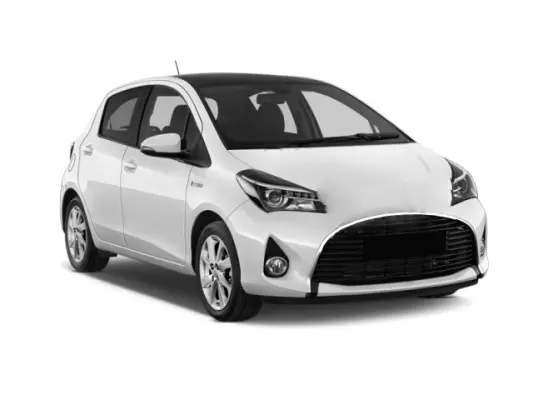
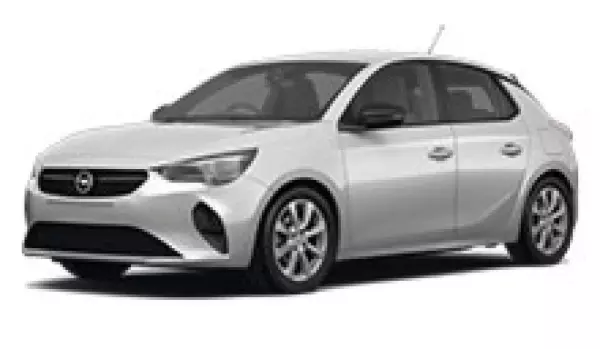
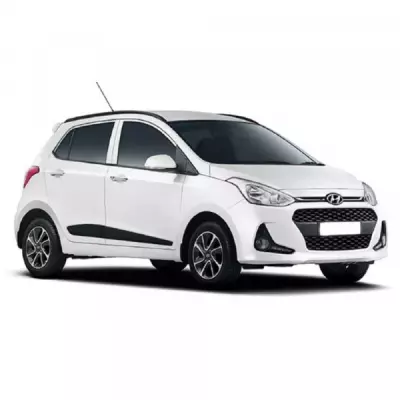
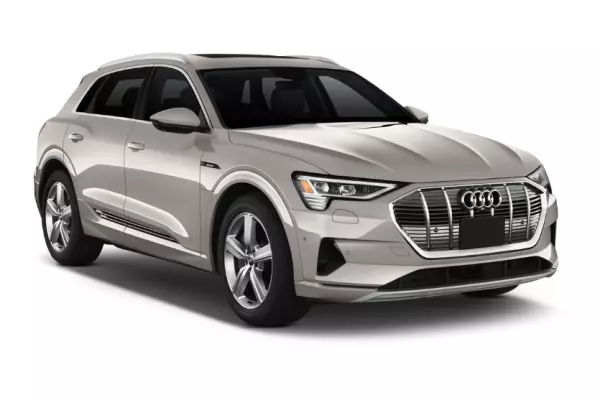
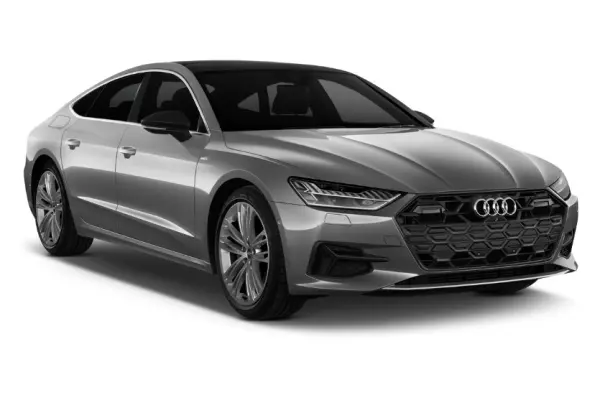
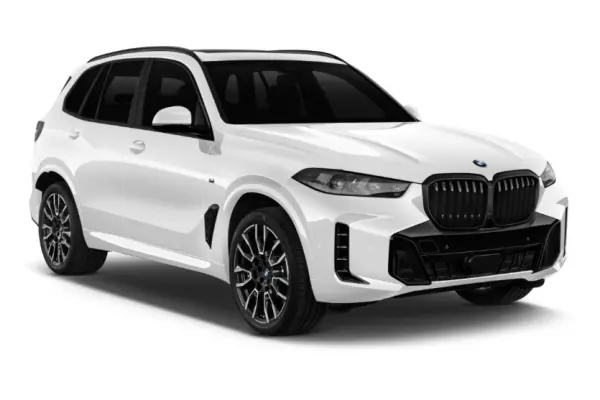
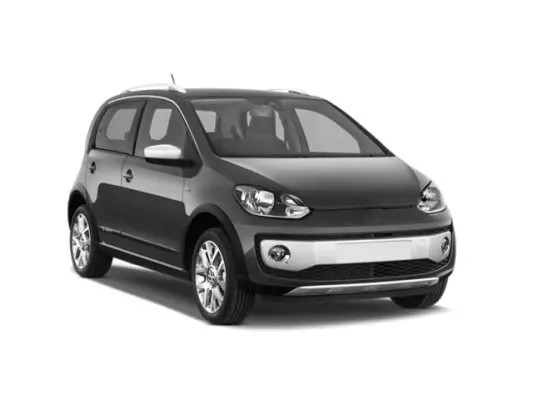
Small and economy models are popular for city driving. A medium car makes more sense for a longer Romantic Road or Rhine Valley trip. Groups travelling together can look for a minivan rental. For business travel or longer high-speed drives, a luxury car may be worth considering. Renty's search covers small, medium, and large classes side by side.
Car Rental Procedures
A few weeks ahead tends to open up more choice, particularly for popular routes like the Romantic Road in summer. Booking closer to the date still works, with a smaller selection to pick from.
Most suppliers allow additional drivers, usually added during booking or at pickup. Some include them as standard, while others charge a small fee — the listing shows which applies.
Yes — weekly and monthly rentals are both available, typically at a better daily rate than a short booking. The full total for the period is shown before you confirm.
One-way rentals depend on the offer — some suppliers allow it, sometimes for an extra fee, while others keep pickup and drop-off at the same location. Check the specific car before booking if the route needs a different end point.
Driving Rules and Road Safety
Most rental cars already carry the green sticker required for Umweltzone city centres — see Germany's Low-Emission City Centres above. It's still worth checking it's there before you head into one.
Not for passenger cars — tolls apply to trucks only. Crossing into a neighbouring country changes that, since motorway charges vary from one country to the next.
Generally yes, but each country runs its own motorway charge, and cross-border rental terms vary by supplier. Confirm both before crossing.
Only when conditions call for it — snow, ice, or slush — rather than on fixed calendar dates. See Rules of the Road in Germany above for the rest.
Documents and Rental Requirements
The minimum age is typically 18, but exact requirements depend on the rental company and car class - larger or luxury vehicles often require drivers to be at least 21. Drivers under 25 may also have to pay a young-driver surcharge.
You'll need a valid driving licence and a passport or ID card. Some suppliers may also require additional documents depending on your country of residence or licence. Check the exact document requirements on the specific car's listing before you book.
In most cases, yes — a valid licence from your home country is accepted for a temporary visit. Some nationalities also need an International Driving Permit in addition to their home licence, so it's worth checking the requirement for your country of licence before you travel. Your supplier can confirm exactly what's needed at pickup.
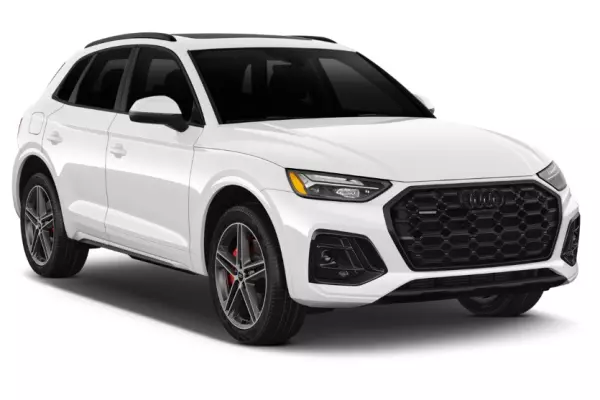

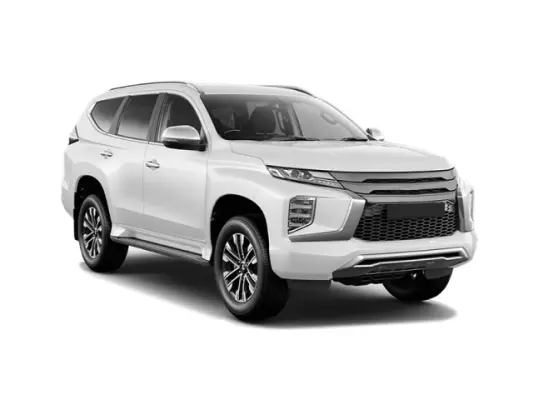
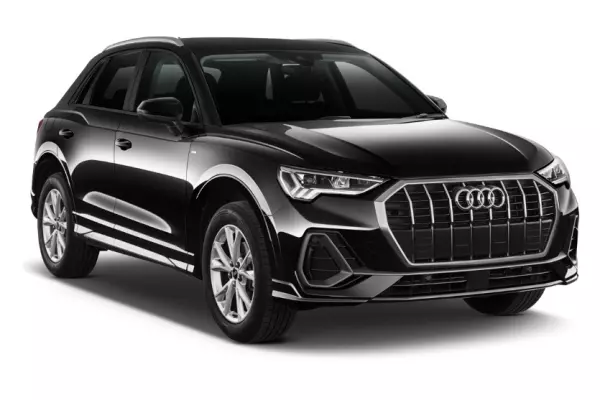
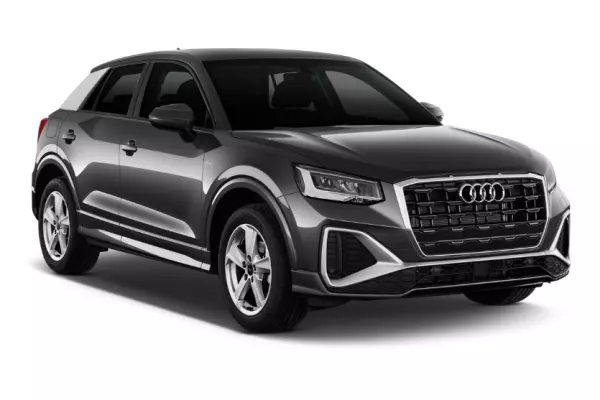
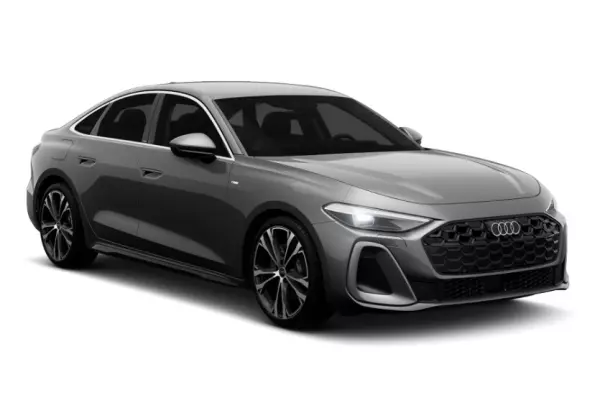
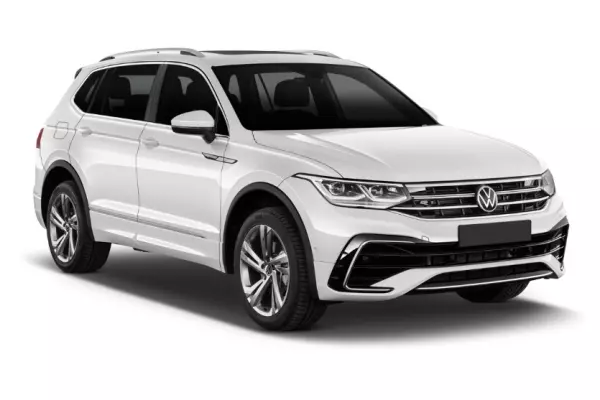
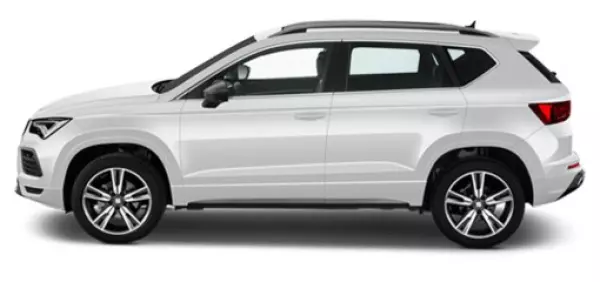
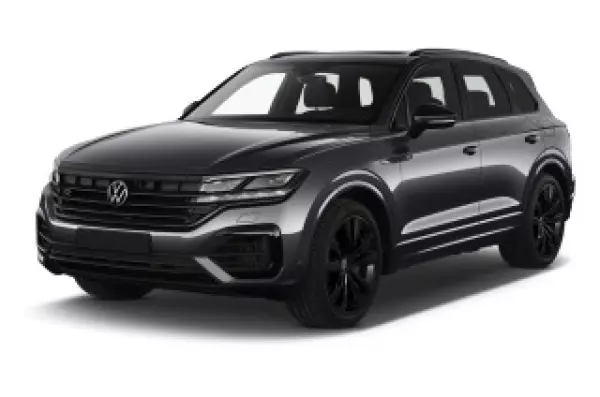
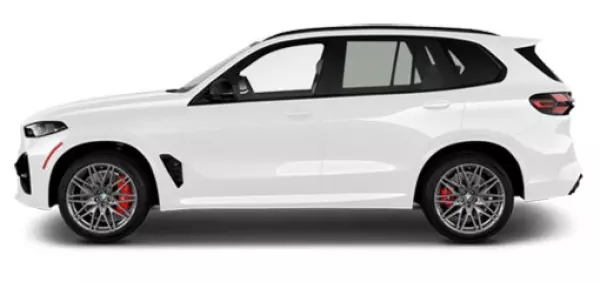
-THUMB_600x400_webp.webp "Hiring Opel Mokka in Germany")
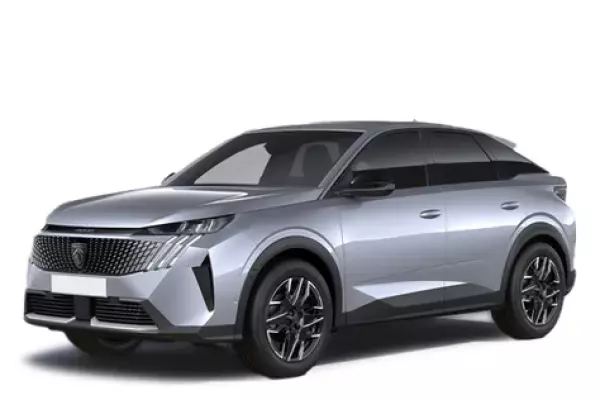
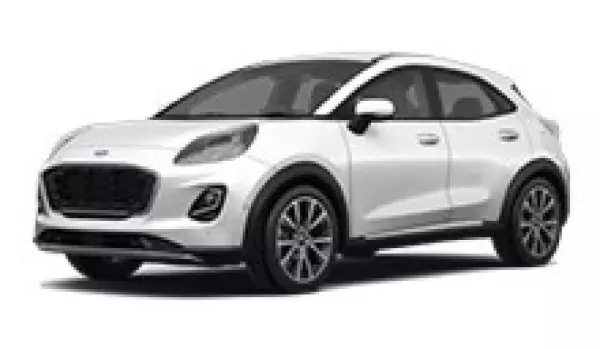
-THUMB_600x400_webp.webp "Hiring Volkswagen Passat SW in Germany")

-THUMB_600x400_webp.webp "Hiring Renault Megane in Germany")